What Equipment Do You Need for Event Draping? (Beginner’s Checklist)
What Equipment Do You Need for Event Draping? (Beginner’s Checklist)
Let’s Be Honest...
One of the biggest mistakes new draping designers make?
Spending money on the wrong gear—or buying things they don’t even need yet.
If you're serious about building a draping business that’s both profitable and professional, you need to start with the right tools. Not the fanciest. Not the most expensive. The right ones.
Here’s your no-fluff, beginner-friendly checklist.
Your Must-Have Foundation
These are the non-negotiables—the tools that every event draper needs to create safe, structured, and stunning backdrops.
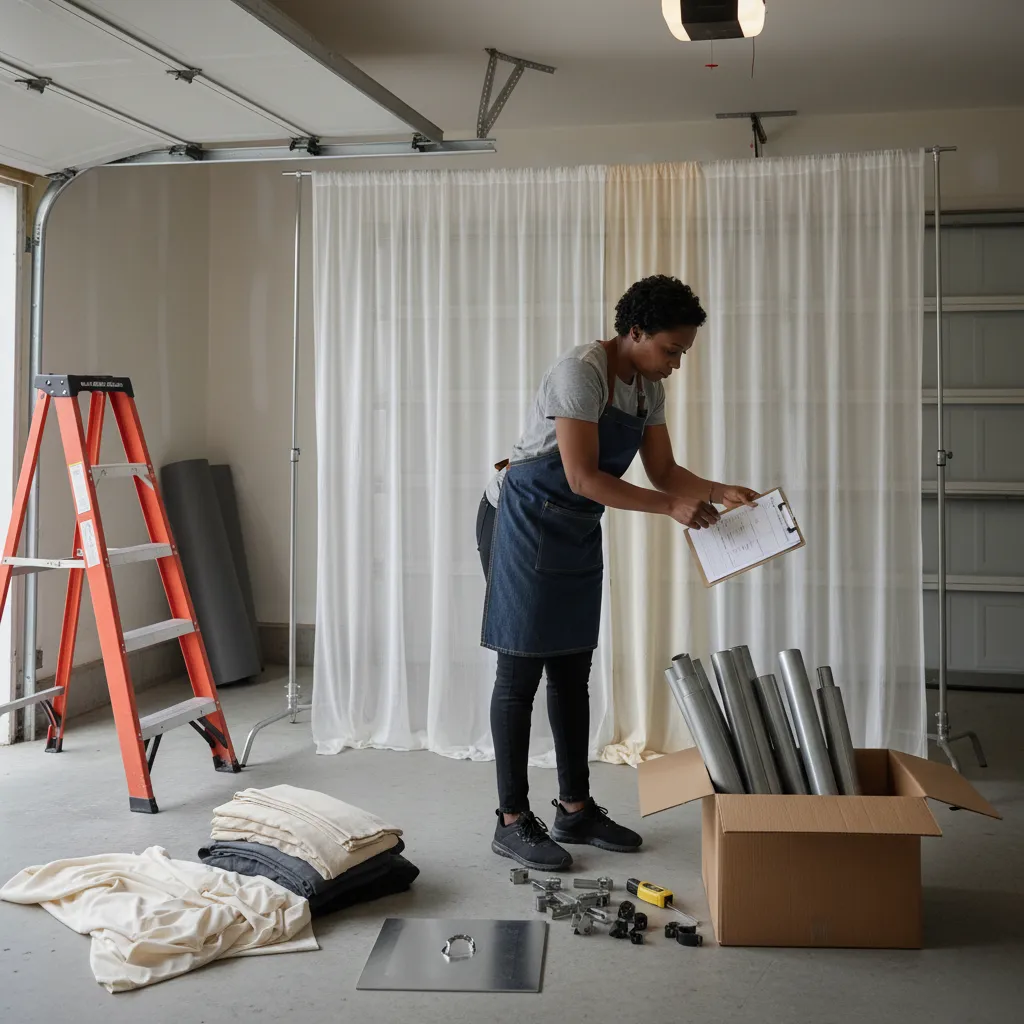
Pipe & Drape System
Your frame is the backbone of your design. Look for:
Adjustable uprights (minimum 8–10 ft height)
Sturdy steel bases (heavy enough to support tension)
Telescoping crossbars (6–12 ft width range)
Skip the photography backdrops or DIY PVC kits—those won’t hold up during real installs.
Fabric Panels
Start with the essentials and build as you go:
Interlock knit: for structure and clean pleats
Sheer voile: for layering and movement
Stick to neutral starter colors: white, black, champagne
Want help deciding how much fabric you need? Check out:
How to Start a Draping Business From Scratch
Safety Gear
This is where beginners often cut corners—but don’t.
Sandbags (15–25 lb) to stabilize your base
Clamps and zip ties to secure fabric and prevent slipping
Gaffer’s tape to hide or secure base plates
Nothing says “rookie” like a collapsing backdrop mid-event. Safety is part of your brand.
Small Accessories That Make a Big Difference
These low-cost tools will make setup easier and your designs cleaner.
Heavy-duty clamps (spring clamps and A-clamps)
Zip ties for temporary holds or emergency fixes
Step ladder (at least 5 ft—do not use chairs or stools)
Tiebacks, floral bands, or Velcro wraps to finish your look professionally
Storage bins to organize and protect fabric between events
When you look polished, clients trust you more.
What You Don’t Need Yet
Here’s where most new designers blow their budget—buying things that look pretty but aren’t essential when starting out. Hold off on:
Ceiling draping kits
Sequins and specialty panels in 10+ colors
Expensive chandeliers or light rigs
Uplighting and event lighting systems
You’ll get there—just don’t rush it. Master the foundation first.
When you’re ready to scale?
Final Word
Starting your draping business doesn’t require a warehouse of tools. It requires smart strategy, core equipment, and the commitment to practice with intention.
Start lean. Build confidently. Grow beautifully.
Ready to skip the guesswork?
Your clients don’t care how much you’ve spent.
They care how polished your work looks.
Let’s get you looking like the pro you are.


